
Popular Tree Removal Products To Simplify Your Job
Discover versatile and reliable tools that help you handle tree removal projects with ease and confidence, regardless of your experience lev
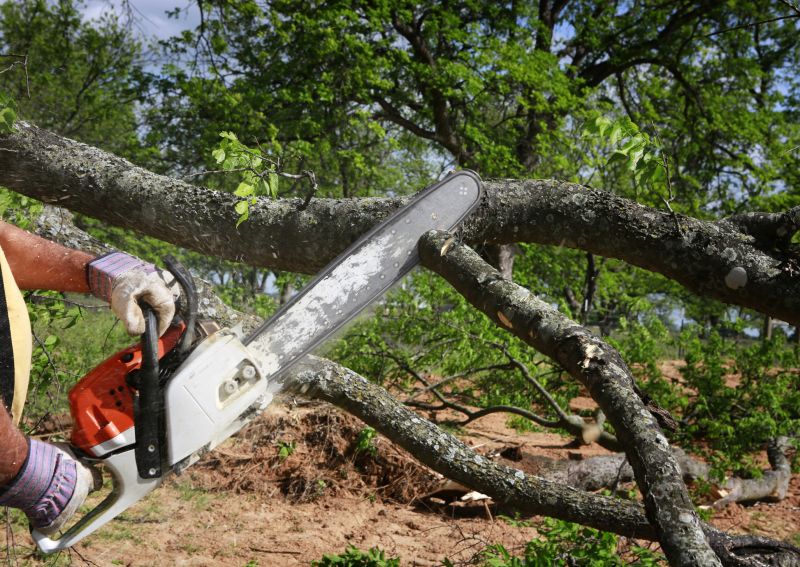 Tree removal is a significant task that requires careful consideration of the tools and equipment used to ensure safety and efficiency. In Woodinville, WA, where mature trees are common in residential and commercial landscapes, selecting the right products for tree removal can make the process smoother and safer. Proper equipment helps prevent accidents, minimizes property damage, and ensures the health of surrounding vegetation.
Top Overall Option
All-in-One Tree Removal Kit
An all-in-one tree removal kit offers a comprehensive collection of essential tools, including a durable chainsaw, protective gear, pruning tools, and stump removal accessories. Designed for versatility, this kit provides everything needed for various stages of tree removal, making it suitable for both DIY enthusiasts and professionals. Its modular components help streamline the process while emphasizing safety and efficiency.
Types of Products For Tree Removals
Chainsaws
Powerful tools for cutting through trunks and large branches, available in gas, electric, and battery-powered options.
Pole Saws
Extendable tools designed for trimming high branches safely from the ground.
Pruning Shears
Handheld tools ideal for trimming smaller branches and preparing the tree for removal.
Loppers
Heavy-duty pruning tools for cutting thicker branches with leverage.
Stump Grinders
Machines used to grind down and remove tree stumps completely.
Ropes and Slings
Equipment for securing and controlling the fall of large branches or trees.
Chainsaw Chaps and Protective Gear
Safety equipment designed to protect users during cutting operations.
Log Splitters
Machines that assist in splitting felled wood for removal or disposal.
Aerial Lifts
Equipment for reaching high branches safely, especially for large or tall trees.
Tree Climbing Gear
Harnesses, spikes, and ropes used by professionals for climbing and removing trees.
Popular Choices
Portable and easy to maneuver, suitable for smaller tree trimming tasks.
Versatile tools for reaching high branches without ladders.
Ideal for detailed trimming and branch cleanup.
Effective for complete stump removal in various soil conditions.
Essential protective gear to ensure safety during cutting and removal.
Useful for controlled lowering of large branches or sections of a tree.
Convenient for quick, cordless operation with less noise.
Enhance safety when working at height with ladders.
Allow safe ascent and descent for professional removals.
Tools for reducing smaller branches into mulch or disposal material.
The process often involves multiple stages, including cutting, limb removal, and stump grinding. Each stage benefits from specialized tools designed for specific tasks. For example, chainsaws are essential for cutting through thick branches and trunks, while pole saws allow for reaching higher limbs without the need for ladders. Stump grinders are crucial for complete removal of tree stumps, preventing regrowth and potential hazards.
Safety is paramount during tree removal activities. Protective gear such as helmets, gloves, eye protection, and ear protection should always be used in conjunction with the right equipment. Additionally, considering the size and location of the tree helps determine the most suitable tools, whether it's a compact chainsaw for smaller trees or heavy-duty machinery for larger removals. Investing in quality products that meet safety standards can significantly reduce risks associated with tree removal projects.
Whether managing a single fallen branch or undertaking a full tree removal, understanding the variety of available products helps in planning and executing the task effectively. From manual tools to powered equipment, the right selection depends on the scope of the job, the environment, and safety requirements. Properly equipped, homeowners and professionals alike can approach tree removal with confidence and safety in mind.
Key Buying Considerations
- Tree size and species to determine appropriate equipment capacity.
- Safety features such as guards, protective gear, and emergency shut-offs.
- Power source options including gas, electric, and battery-powered tools.
- Ease of use and ergonomic design for prolonged tasks.
- Durability and build quality to withstand demanding jobs.
- Compatibility of accessories and replacement parts.
- Size and weight of equipment for maneuverability and storage.
- Noise levels, especially for residential areas.
- Availability of maintenance and support services.
- Budget constraints balanced with quality and safety features.
- Environmental conditions such as soil type and surrounding landscape.
- Skill level required for operation—professional vs DIY.
- Compliance with safety standards and certifications.
- Additional features like adjustable cutting angles or extendable arms.